How a Southern Restaurant Blends Old and New Flavors
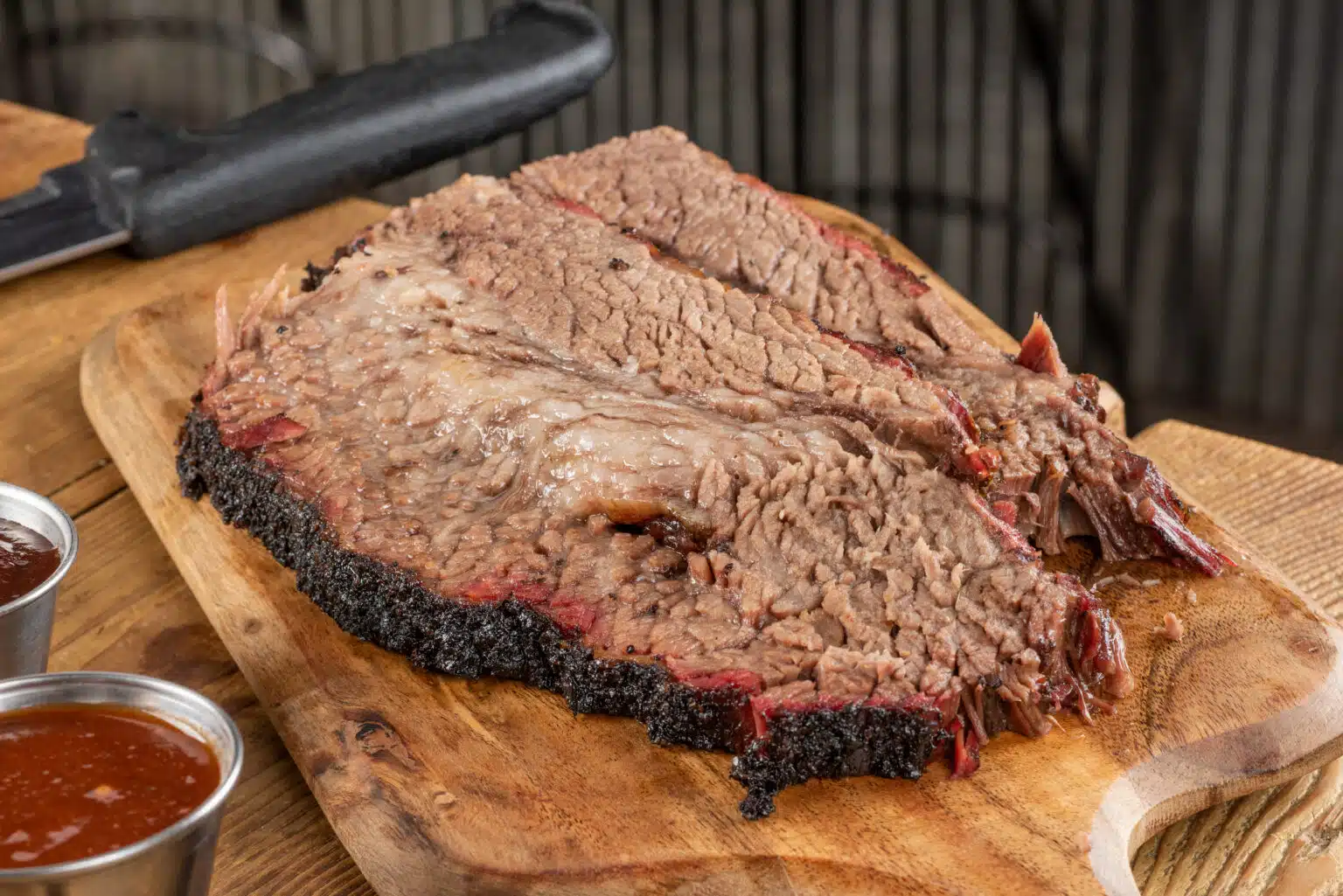
A good Southern restaurant does more than serve familiar food. It interprets memory. It takes dishes that people carry in their bones, biscuits, braised greens, cast iron cornbread, gravy with real depth, and decides how much to preserve, how much to refine, and how much to reinvent. That tension is where the most interesting cooking happens.
Anyone can hang reclaimed wood on the wall, print shrimp and grits on a menu, and call it Southern. The harder work is understanding why those dishes matter in the first place. Southern food is not one thing. It is rural and urban, Black and white, coastal and inland, prosperous and improvised. It reflects Native ingredients, African technique, European influence, and generations of cooks who learned to stretch, season, cure, fry, pickle, and bake with skill that never needed fancy language to prove itself.
When a restaurant blends old and new flavors well, the result should feel inevitable rather than clever. The guest may notice a brighter acid in the braised greens, a finer grind on the cornmeal, or a sorghum glaze used where cane syrup might have appeared a generation ago. What they should not feel is that the kitchen is showing off at the expense of the dish. Southern cooking is generous by nature. Innovation has to respect that generosity.
The old flavors are more layered than people think
People often reduce Southern food to a few broad ideas: rich, comforting, fried, sweet, heavy. Some of that is true, but it misses the nuance that makes the cuisine durable. Traditional Southern cooking relies on sharp contrast as much as richness. Fat gets balanced with vinegar. Slow braises get cut by pepper heat. Soft textures sit next to crust, crackle, and char. A plate of fried chicken without pickles, hot sauce, or a seasoned crust is incomplete. A bowl of butter beans without onion, herbs, and pot liquor can taste flat no matter how luxurious the butter is.
That complexity gives chefs more room to work than outsiders often assume. Old flavors are already built on adjustment and adaptation. Look at chow chow, pepper vinegar, benne seeds, country ham, field peas, cane syrup, green tomato relish, boiled peanuts, smoked mullet, or spoonbread. These are not static artifacts. They came from climate, available crops, preservation needs, migration, and thrift. Southern food has always evolved because Southern life has always evolved.
A chef with real grounding in the cuisine understands that tradition is not a museum case. Tradition is practice. It lives in repetition, correction, and taste memory. The grandmother who never measured her biscuit dough was still making decisions every single time she mixed flour and fat. Weather changed the flour. Humidity changed the texture. Buttermilk acidity shifted. She adjusted. That, too, is part of the tradition.
What “new” really means in a Southern kitchen
The strongest modern Southern restaurants rarely chase novelty for its own sake. They update through technique, sourcing, and perspective more than through shock value. A chef might use cleaner stock work, more precise temperature control, or better produce from nearby farms. They may draw from other regional influences that have always touched the South, Mexican ingredients in Texas, Vietnamese herbs on the Gulf Coast, West African spice logic in rice dishes, Appalachian fermentation methods in mountain cooking.
New flavor in this context often means one of three things. It can mean precision, as in a perfectly brined pork chop instead of one simply seasoned at the last minute. It can mean expansion, such as treating humble vegetables with the same seriousness once reserved for roast meats. Or it can mean rebalancing, pulling back sugar, salt, or heaviness to let other flavors speak.
Take pimento cheese, a dish many Southern diners approach with strong opinions. At one restaurant, the old-school version may stay exactly as guests expect, sharp cheddar, pimentos, mayonnaise, black pepper. At another, the cook folds in smoked paprika, charred scallion, or a younger cheese to soften the salt edge. Either path can work. What matters is whether the result still tastes like pimento cheese rather than a chef’s theory about pimento cheese.
That distinction sounds subtle, but diners feel it immediately. They may not phrase it in culinary terms. They might simply say, “It’s good, but it doesn’t hit like I wanted.” In a Southern restaurant, expectation is not a minor factor. It is part of the meal.
The menu is where respect becomes visible
You can learn a lot about a restaurant’s values by looking at the menu language. Some places treat traditional dishes as nostalgia bait, dressing them up in sentimental wording while doing little to deepen them. Others bury Southern roots under technical jargon, as if plain speech somehow cheapens the food. The best menus strike a quieter note. They identify the dish, let strong ingredients carry the interest, and leave room for surprise at the table.
Shrimp and grits is a useful example because so many kitchens mishandle it. The grits matter as much as the shrimp, sometimes more. If the grits are pasty, bland, or overburdened with cheese, the dish fails before the shrimp ever hit the pan. If the shrimp are cooked hard, no amount of tasso cream can rescue them. A thoughtful modern version may use stone-ground heirloom corn, a sharper shellfish stock, and a sauce with more acidity than cream. It may add roasted mushrooms, charred tomato, or fermented pepper for depth. The dish can change significantly while still honoring the soul of the original.
The same is true for biscuits. A Southern restaurant that cares about biscuits pays attention to flour protein, butter temperature, lamination or lack of it, bench rest, oven heat, and holding time. A biscuit served ten minutes too late can lose the entire point. Some chefs now serve biscuits with cultured butter whipped with cane syrup, sea salt, or preserves made from local fruit. That is a modern touch, but the real standard remains ancient and uncompromising: does the biscuit break open hot, tender, and fragrant, with enough structure to support a swipe of fat or jam without turning gummy in the mouth?
These details sound small until you taste the difference. In a cuisine with many humble foundations, small details are often the whole game.
Ingredients tell the truth
A restaurant cannot blend old and new flavors convincingly if it ignores ingredients. Southern cuisine developed from what grew well, stored well, or could be raised locally. Corn, rice, pork, beans, greens, okra, sweet potatoes, peaches, blackberries, pecans, catfish, oysters, and dozens of regional staples shaped the pantry long before the modern farm-to-table movement arrived with branding and social media.
Today’s chefs have access to a wider network of producers, which can elevate Southern cooking in meaningful ways. Freshly milled grits behave differently from commodity grits that have sat for months. Heritage pork carries more texture and deeper flavor than generic lean pork bred for consistency. Summer tomatoes from a nearby farm do not need much intervention beyond salt and a bit of acid. Winter collards become sweeter after frost. These are not romantic talking points. They are practical realities that change how a dish tastes.
A smart Southern restaurant uses that seasonality without becoming precious. Guests come in expecting abundance and pleasure, not a lecture on soil health. The menu should absorb the work and translate it into flavor. If a kitchen can source excellent Sea Island red peas or a rare local sweet onion, fine. The question is what it does with them. Sometimes the answer is surprisingly simple: simmer gently, season well, finish with pepper vinegar, and let the ingredient speak.
The old Southern pantry also supports more modern flavor layering than people expect. Sorghum can replace part of the sweetness in a glaze while adding earthy complexity. Pickled mustard seeds can sharpen a rich pork dish without resorting to a generic squeeze of lemon. Charred okra gains a smokiness that pairs well with spice blends rooted in both Southern and global traditions. Local honey can bridge a hot chicken profile with a more nuanced floral note.
None of this requires abandoning the region. In many cases, it means looking at the region more carefully.
Technique matters, but restraint matters more
One major difference between past and present restaurant cooking lies in technical control. Contemporary kitchens have better refrigeration, more accurate ovens, circulators, thermometers, and prep systems. Stocks can be cleaner. Frying can be more consistent. Doughs can be repeated with less waste. Vegetables can be handled with far more precision than they were in many old Walter's BBQ Southern Kitchen Southern restaurant institutional kitchens.
That technical advantage can sharpen Southern food beautifully. Fried green tomatoes arrive less greasy when oil temperature is monitored properly. Smoked meats stay juicier when the kitchen understands carryover cooking and holding conditions. Custards set more cleanly. Gravies break less often. Pies slice better. Even something as simple as macaroni and cheese benefits from better control over starch release, sauce emulsion, and oven finish.
The trap is overworking dishes that depend on immediacy and spirit. A deviled egg does not need laboratory exactness if it loses the slightly rustic quality people love. Banana pudding should not eat like a deconstructed exercise. Cornbread can tolerate refinement, but not at the cost of soul. There is a line where the food stops feeling hospitable and starts feeling curated. A seasoned restaurateur can sense that line by watching guests, not just by reading cookbooks or trend reports.
I have seen this play out in dining rooms more than once. A table will happily embrace a pork belly appetizer with sorghum lacquer and preserved peach, but if the side of collards tastes too sweet, too polished, or too detached from what they understand collards to be, trust slips. Once trust slips in a Southern restaurant, every dish has to work twice as hard.
The room, the service, and the story on the plate
Flavor is not the only place where old and new meet. Atmosphere matters because Southern dining has long been tied to ritual and welcome. Historically, meals in the South could be formal or plain, but hospitality was not optional. In a restaurant setting, that translates into service style as much as interior design.
A modern Southern restaurant might have a streamlined dining room, open kitchen, natural wine list, and carefully designed ceramics. None of that conflicts with tradition if the service still feels warm, confident, and generous. Guests should not have to decode the meal. Servers who can explain the difference between country ham and city ham, or why a dish uses benne instead of sesame, help bridge the old and the new in a way décor never can.
The storytelling matters most when it is grounded. If the menu references a family recipe, regional ingredient, or church supper classic, the kitchen should be able to back that up with honest context. Diners can tell when a concept has been reverse engineered by branding. They respond differently when the story feels earned, whether that means a chef reviving their grandfather’s tomato gravy Southern restaurant or a pastry cook adapting a hummingbird cake into a lighter plated dessert without stripping away the pineapple, banana, and warm spice that define it.
Where blending goes wrong
Not every attempt succeeds. In fact, Southern food is especially easy to mishandle because familiarity creates both confidence and blind spots. Some restaurants lean so hard into innovation that the original dish disappears. Others cling to tradition so rigidly that the food feels stale, heavy, or indifferent to modern tastes.
The failures usually follow a recognizable pattern:
Too much sweetness can flatten savory dishes, especially when chefs mistake “Southern” for sugar-forward.
Excessive richness, butter on top of cream on top of cheese, can make a menu exhausting by the second course.
Decorative fusion, where a random global ingredient gets added without logic, often reads as trend chasing rather than evolution.
Fear of acidity leaves many classic-inspired dishes muddy and one-note.
Nostalgia can become an excuse for poor execution, as though a dish should be forgiven for being greasy, bland, or overcooked because it is familiar.
The better path is more demanding. It asks the kitchen to know what makes a classic dish emotionally resonant, then preserve that core while improving structure, balance, texture, or sourcing. That sounds straightforward on paper. In practice, it requires taste, discipline, and humility.
Why regional memory still leads the way
A Southern restaurant that blends old and new flavors successfully understands that memory is not an obstacle to creativity. It is a guide. Guests bring family histories to the table, even if they do not say so aloud. A spoonful of butter beans can remind someone of a grandmother’s Sunday lunch. A crackling edge of cornbread can pull up a childhood kitchen faster than any framed black-and-white photograph on the wall.
That memory should not imprison the chef. Not every diner grew up eating the same dishes, and the South itself contains huge variation. Lowcountry cooking is not Appalachian cooking. Creole and Cajun traditions are not interchangeable. Nashville meat-and-three culture differs from coastal Carolina seafood traditions. Even within one state, preparations can shift county by county. Modern chefs have every right to interpret, combine, and expand. But they need to know what they are working with before they start bending it.
This is why the most convincing restaurants tend to be specific rather than generic. Instead of offering a broad “Southern-inspired” menu, they might focus on upland game, Delta catfish, Carolina rice, Gulf seafood, or biscuit-and-country-ham traditions from a particular place. Specificity creates confidence. It also gives innovation a stronger frame. A chef can stretch further when the foundation is clear.
The future of Southern flavor is already here
The next chapter of Southern cooking is not waiting for permission. It is happening now in dining rooms where old recipes meet sharper sourcing, broader cultural acknowledgment, and more exacting technique. Younger chefs are revisiting ingredients once dismissed as too humble for ambitious menus. They are also giving overdue credit to the Black cooks, immigrant communities, and working families who built much of the cuisine’s foundation.
That shift matters because it changes not only what appears on the plate, but how the plate gets understood. When a Southern restaurant treats field peas, stewed greens, cornbread, or smoked fish as serious food worthy of craft and attention, it restores value that was often overlooked. When it pairs those traditions with contemporary balance and presentation, it invites both longtime locals and newer diners to taste the cuisine with fresh eyes.
The most memorable meals tend to come from places that resist extremes. They are not trying to freeze Southern food in amber, and they are not trying to escape it either. They know a cast iron sear can live comfortably beside a bright herb finish. They understand that pepper vinegar may matter as much as butter. They trust a cookout flavor profile enough to refine it rather than disguise it. Most of all, they cook with a sense of proportion.
That sense of proportion is what allows a Southern restaurant to feel timeless and current at once. The old flavors bring weight, memory, and identity. The new flavors bring precision, openness, and momentum. When those elements meet under the hand of a thoughtful kitchen, the result is not a compromise. It is a fuller expression of what Southern food has always been: resourceful, regional, generous, and alive.
Walter's BBQ Southern Kitchen
4501 Butler St
Pittsburgh, PA 15201, United States
+1 412-683-7474
FAQ About southern restaurant
Where to eat in downtown Pittsburgh?
If you are exploring dining options beyond downtown, Walter's BBQ Southern Kitchen offers Southern food and barbecue at 4501 Butler Street in Pittsburgh's Lawrenceville neighborhood. It is outside downtown, so allow travel time when planning your visit.
What is a must eat in Pittsburgh?
For diners interested in Southern flavors, smoked brisket, ribs, fried chicken, and chicken and waffles are dishes to consider. Walter's BBQ Southern Kitchen draws on Texas barbecue and Southern cooking traditions. Check the current menu for the dishes available during your visit.
What are some of Pittsburgh's unique restaurants?
Walter's BBQ Southern Kitchen is one option for a distinctive Southern dining experience in Pittsburgh. Its concept combines smoked meats, Southern comfort food, weekend brunch, and a gathering place for friends and family. The restaurant is located on Butler Street in Lawrenceville.